
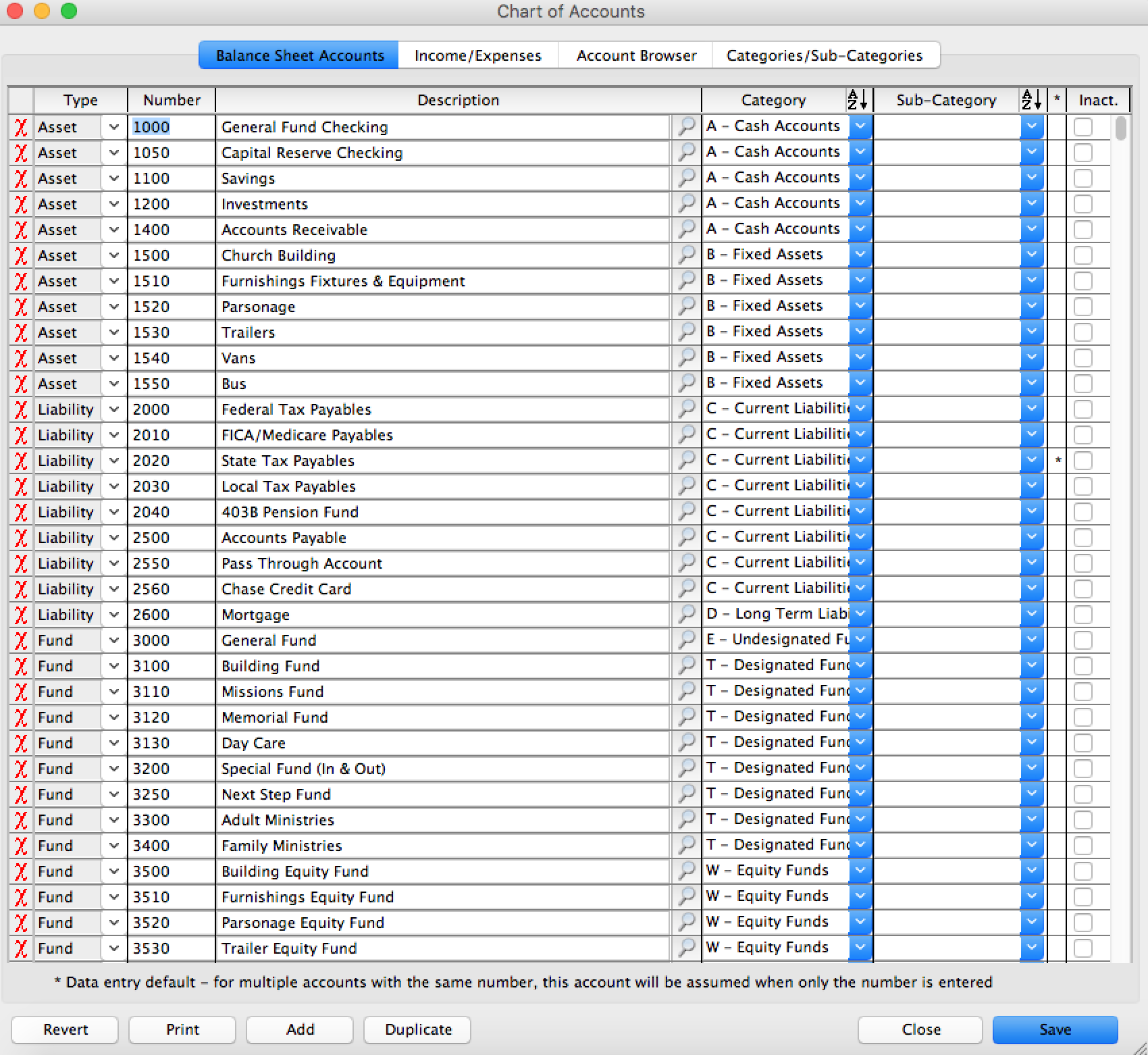
Total liabilities and equity are also added up at the bottom of the sheet—hence the term ‘bottom line’ for this number. A balance sheet is one of the most essential tools in your arsenal of financial reports. Generally speaking, balance sheets are instrumental in determining the overall financial position of the business.
Assets = Liabilities + Owner’s Equity
It should not be surprising that the diversity of activities included among publicly-traded companies is reflected in balance sheet account presentations. In these instances, the investor will have to make allowances and/or defer to the experts. Generally, sales growth, whether rapid or slow, dictates a larger asset base—higher levels of inventory, receivables, and fixed assets (plant, property, and equipment, or PPE). As a company’s assets grow, its liabilities and/or equity also tend to grow in order for its financial position to stay in balance. Explore our online finance and accounting courses, which can teach you the key financial concepts you need to understand business performance and potential. To get a jumpstart on building your financial literacy, download our free Financial Terms Cheat Sheet.
List your liabilities
Unlike the income statement, the balance sheet does not report activities over a period of time. The balance sheet is essentially a picture a company’s recourses, debts, and ownership on a given day. This is why the balance sheet is sometimes considered less reliable or less telling of a company’s current financial performance than a profit and loss statement. Annual income statements look at performance over the course of 12 months, where as, the statement of financial position only focuses on the financial position of one day. Current assets are a category of assets on the balance sheet that represents assets expected to be converted into cash or used up within one year or the operating cycle, whichever is longer.
Account Format Balance Sheet
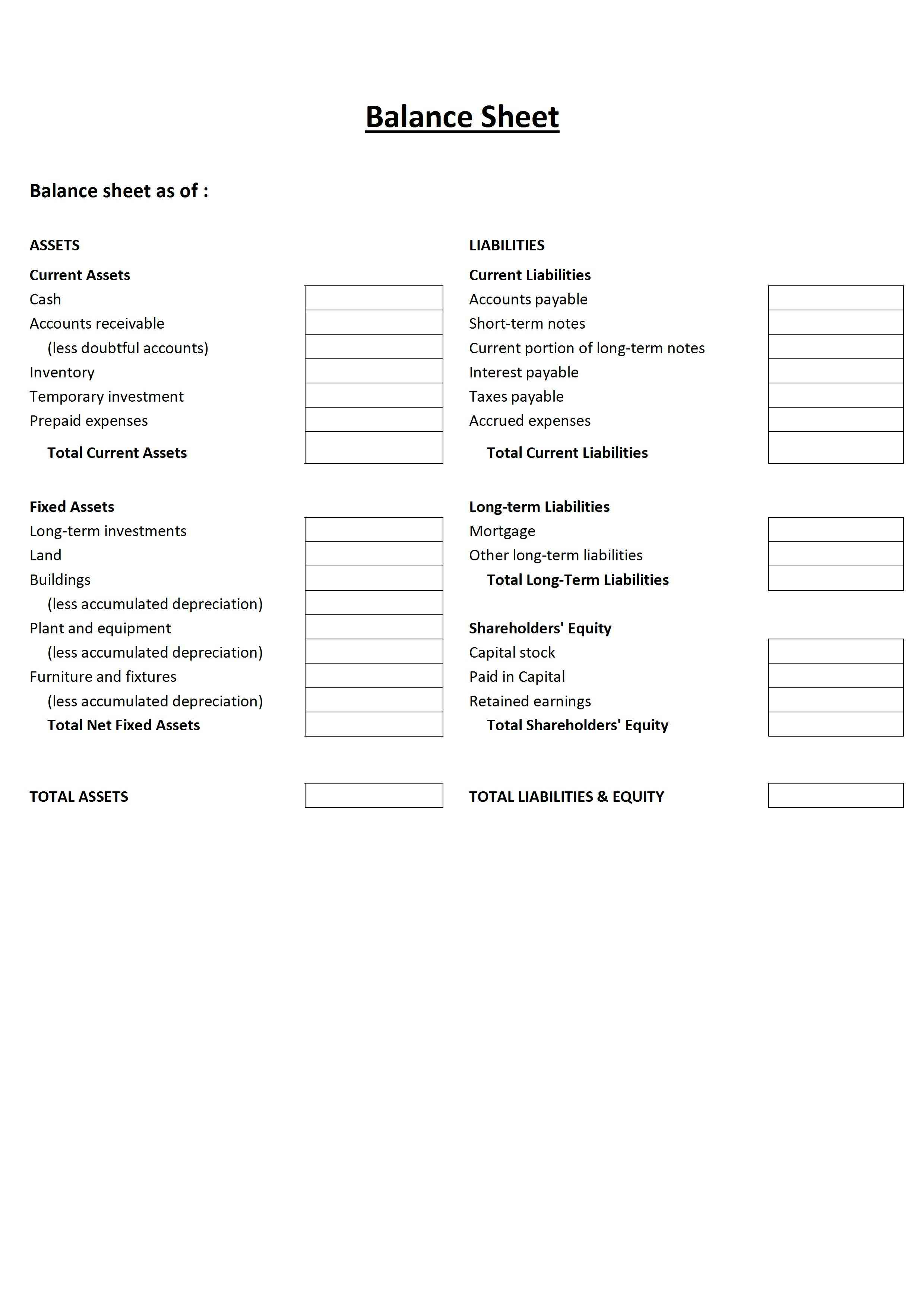
These may include customer deposits, deferred revenue, and contingent liabilities (potential liabilities arising from uncertain future events). Long-term and current assets are two distinct categories of assets that appear on a balance sheet. They differ based on their expected usage and conversion into cash within the company’s operating cycle. This article aims to address business owners’ most common questions about balance sheets, providing clear and concise answers to help you better understand this essential financial document. Whether you’re new to interpreting balance sheets or seeking to refine your financial acumen, this guide will equip you with the knowledge to navigate your business’s financial landscape confidently. The balance sheet equation follows the accounting equation, where assets are on one side, liabilities and shareholder’s equity are on the other side, and both sides balance out.
Use the vertical balance sheet template to scan your numbers and compare assets against liabilities quickly. These errors and mistakes can be avoided through thorough data verification, cross-checking with other financial documents, and adhering to consistent accounting practices. Regular audits and reviews by qualified professionals can help ensure the accuracy and reliability of the balance sheet and financial statements. Moreover, combining balance sheet reviews with proactive financial planning can help you respond effectively to changing market conditions and make well-informed strategic decisions. Follow the same organization as the assets column, totaling each type of liability and then the sum total liability.
- Financial strength ratios can include the working capital and debt-to-equity ratios.
- How assets are supported, or financed, by a corresponding growth in payables, debt liabilities, and equity reveals a lot about a company’s financial health.
- This includes debts and other financial obligations that arise as an outcome of business transactions.
- A company’s balance sheet provides important information on a company’s worth, broken down into assets, liabilities, and equity.
- Shaun Conrad is a Certified Public Accountant and CPA exam expert with a passion for teaching.
- The balance sheet provides an overview of the state of a company’s finances at a moment in time.
Liabilities Section
When setting up a balance sheet, you should order assets from current assets to long-term assets. They’re important to include, but they can’t immediately be converted into liquid capital. A balance sheet provides a summary of a business at a given point in time. It’s a snapshot of a company’s financial position, as broken down into assets, liabilities, and equity. Balance sheets serve two very different purposes depending on the audience reviewing them. Balance sheets can tell you a lot of information about your business, and help you plan strategically to make it more liquid, financially stable, and appealing to investors.
Assets are what the company owns, while liabilities are what the company owes. Shareholders’ equity is the portion of the business that is owned by the shareholders. A balance sheet is also different from an income statement in several ways, most notably the time frame it covers and the items included. The balance sheet only reports the financial position of a company at a specific point in time. Using financial ratios in analyzing a balance sheet, like the debt-to-equity ratio, can produce a good sense of the financial condition of the company and its operational efficiency. You will need to tally up all your assets of the company on the balance sheet as of that date.
We also allow you to split your payment across 2 separate credit card transactions or send a payment link email to another person on your behalf. If splitting your payment into 2 transactions, a minimum payment of $350 is required for the first transaction. Updates to your application and enrollment status will be shown on your account page. We confirm enrollment eligibility within one week of your application for CORe and three weeks for CLIMB. HBS Online does not use race, gender, ethnicity, or any protected class as criteria for admissions for any HBS Online program. Updates to your enrollment status will be shown on your account page.
However, retained earnings, a part of the owners’ equity section, is provided by the statement of retained earnings. Your balance sheet can help you understand how much leverage your business has, which tells you how much financial risk you face. To judge leverage, you can compare what is product cost the debts to the equity listed on your balance sheet. Leverage can also be seen as other people’s money you use to create more assets in your business. By comparing your income statement to your balance sheet, you can measure how efficiently your business uses its total assets.
On the surface, balance sheets seem like an administrative obligation businesses have to meet. On closer inspection, these forms work with balance sheet software to gauge overall financial performance. To help you, we’ll explain what goes on a balance sheet and how to leverage balance sheets for growth. In a corporation, a balance sheet lets stakeholders know if the business is solvent, meaning the value of its assets is higher than the total of its liabilities. If you’ve found that your balance sheet doesn’t balance, there’s likely a problem with some of the accounting data you’ve relied on. You may have omitted or duplicated assets, liabilities, or equity, or miscalculated your totals.